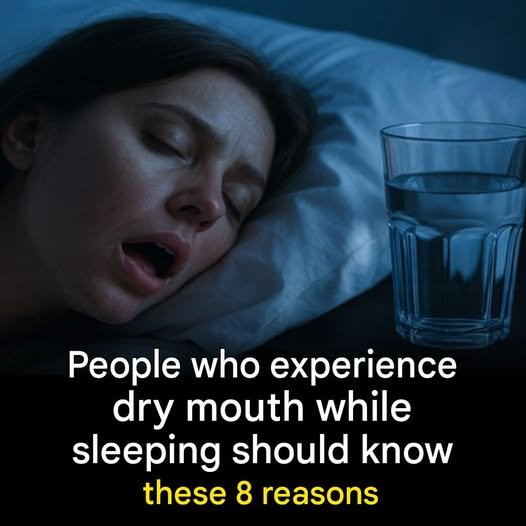
Waking up with a dry, sticky mouth can be uncomfortable and frustrating. Occasional dry mouth is common, but if it happens frequently, it may be a sign of an underlying issue. Understanding the possible causes can help you find the right solution and improve your sleep quality.
What Is Dry Mouth?
Dry mouth occurs when your salivary glands do not produce enough saliva to keep your mouth properly moist. Saliva plays an important role in digestion, oral health, and protecting teeth from decay.
1. Sleeping with Your Mouth Open
One of the most common causes of nighttime dry mouth is sleeping with your mouth open. This can happen due to habit, nasal congestion, or certain sleep positions. When air flows continuously through the mouth, moisture evaporates more quickly.
What You Can Do
- Try sleeping on your side.
- Address any nasal congestion.
- Consider using a humidifier in your bedroom.
2. Dehydration
Not drinking enough fluids during the day can leave your body short on water, reducing saliva production.
Signs of Dehydration
- Thirst
- Dark-colored urine
- Fatigue
- Dizziness
- Dry lips
What You Can Do
- Drink water regularly throughout the day.
- Limit excessive caffeine and alcohol intake.
3. Nasal Congestion or Allergies
When your nose is blocked due to allergies, a cold, or sinus issues, you may breathe through your mouth while sleeping, increasing dryness.
What You Can Do
- Manage allergies appropriately.
- Use saline nasal sprays if recommended.
- Keep bedroom air clean and free from irritants.
4. Certain Medications
Many common medications list dry mouth as a side effect.
Examples Include
- Antihistamines
- Some antidepressants
- Certain blood pressure medications
- Decongestants
- Some pain medications
What You Can Do
If you suspect a medication is causing dry mouth, discuss it with your healthcare provider before making any changes.
5. Snoring and Sleep Apnea
Frequent snoring and obstructive sleep apnea can contribute to dry mouth because they often involve mouth breathing during sleep.
Possible Signs of Sleep Apnea
- Loud snoring
- Gasping during sleep
- Morning headaches
- Excessive daytime sleepiness
What You Can Do
If these symptoms are present, consult a healthcare professional for evaluation.
6. Dry Indoor Air
Air conditioning, heating systems, and low humidity levels can dry out the air in your bedroom, contributing to dry mouth overnight.
What You Can Do
- Use a humidifier.
- Keep the bedroom comfortably humidified.
- Stay hydrated before bedtime.
7. Smoking or Tobacco Use
Smoking and other tobacco products can irritate the mouth and reduce saliva production, increasing dryness.
What You Can Do
Reducing or quitting tobacco use can improve oral health and may help reduce dry mouth symptoms.
8. Medical Conditions
Certain health conditions can affect saliva production and contribute to chronic dry mouth.
Examples include:
