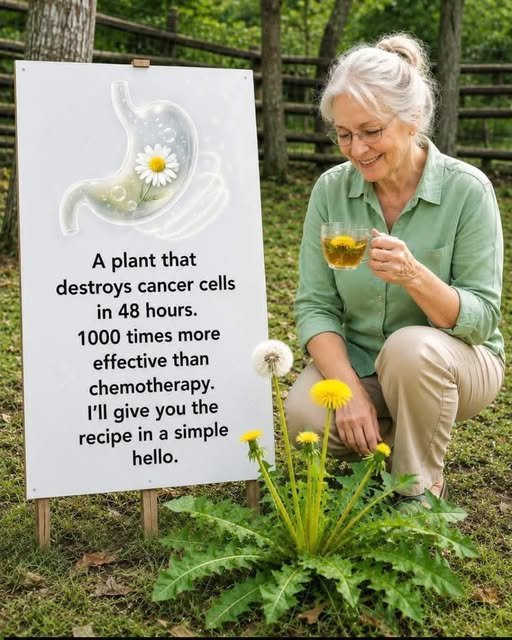
You may have seen headlines claiming that a certain plant can destroy cancer cells in 48 hours and is 1,000 times more effective than chemotherapy. These dramatic statements are widely shared online, but they are not supported by strong clinical evidence.
Where Did This Claim Come From?
The claim is often linked to laboratory studies involving compounds found in plants such as:
- Graviola (Soursop)
- Wormwood
- Turmeric
In some laboratory experiments, certain plant compounds have shown the ability to kill or slow the growth of cancer cells in test tubes. However, results obtained in a laboratory do not automatically mean the same effects occur safely and effectively in the human body.
Why the “1,000 Times More Effective” Claim Is Misleading
Many of these viral claims are based on:
- Preliminary laboratory research
- Experiments on isolated cells
- Studies using concentrations that cannot be safely achieved in humans
To date, no plant has been proven in high-quality human clinical trials to be 1,000 times more effective than standard chemotherapy across cancers.
What Scientists Actually Know
Researchers continue to study plant-derived compounds because many modern medicines originate from plants. Some successful cancer drugs have roots in natural products, but they underwent years of testing to determine:
- Safety
- Effectiveness
- Proper dosage
- Side effects
- Interactions with other treatments
Important Warning
Cancer is a serious disease that requires professional medical evaluation and treatment. Relying solely on unproven remedies may delay effective care and reduce the chances of successful treatment.
If you or someone you know is dealing with cancer, it is important to discuss any supplements, herbs, or alternative therapies with a qualified healthcare professional before using them.
The Bottom Line
The claim that a plant can destroy cancer cells in 48 hours and is 1000 times more effective than chemotherapy is not supported by current clinical evidence. While some plants contain compounds that are being studied for potential anti-cancer properties, no natural remedy has been proven to replace standard cancer treatments.
Always be cautious of sensational health headlines and look for information supported by reputable medical research and healthcare professionals.
